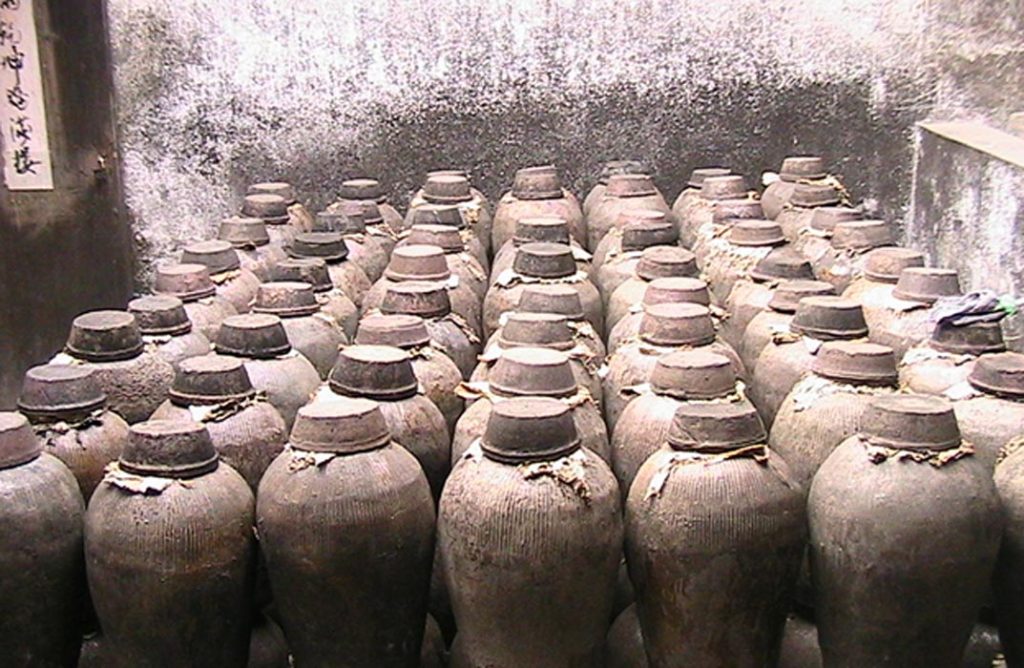
Yes, I am still on the wagon for Dry January. I have to say it was quite difficult this weekend to avoid having a drink. Friday and Saturday nights seem to be a standard drinking evening so it’s a bit strange to reach for a lemonade instead. Honestly, I do think I am sleeping better and I am probably more productive.
The history of alcohol is interesting and dates back to 7000BC in China where rice wine jars have been found in Jiahu. There is something rather paradoxical about the Chinese being the first known drinkers as a genetic perk means many of them have difficulty metabolising alcohol. Alcohol is broken down into acetylaldehyde and then acetic acid by two separate enzymes:

Figure 1: Alcohol metabolism
As you can see from the figure, acetylaldehyde is the intermediate chemical and that is the stuff that causes hangovers and all of the detrimental side effects of alcohol (except addiction / dependence – that’s due to the alcohol itself). People with genetic changes in the gene for alcohol dehydrogenase (ADH) can have a significantly increased rate of metabolism so the alcohol is broken down very quickly. This means they experience little of the psychological / behavioural effects of drunkenness and often display facial flushing due to the acetylaldehyde production.
In 50% of East Asians, a mutation in the gene for a second enzyme, acetylaldehyde dehydrogenase (ALDH), means the enzyme works very slowly and so acetylaldehyde lingers in the body a lot longer. This causes symptoms similar to a hangover and is, of course, very unfortunate, for those who carry it.
Interestingly, a drug called Disulfiram can be used to treat alcohol dependency. This works by inhibiting ALDH and causing build-up of acetyladehyde, making drinking alcohol so intolerable that people stop. A bit of a barbaric way to treat it but it has shown some success, nevertheless. Moreover, having the ADH variant (meaning rapid break down of alcohol) has been associated with a lower risk of developing alcoholism, presumably due to a lack of psychoactive effect and possibly facial flushing (why carry on drinking if you don’t get any of the benefits and just feel the side effects?.
So why has this genetic variant arisen in East Asian individuals only? There has been suggestion that this all comes down to rice cultivation which seems to have occurred around 12 000BC to 8000BC. Having the ADH variant may have been selected for over evolutionary time as those with the variant were likely not to become alcoholics. Maybe the Chinese fermented rice to store it and keep it for longer, the production of alcohol was just a by-product. To me, this seems a bit far-fetched but the propagation of the ADH and ALDH variants is unlikely to have arisen by genetic drift as they occurred for the first time around 10 000 years ago so something must have driven it. I suppose we will never know but the ADH / ALDH example shows how genetic elements can modify our risk of dependency and its subsequent negative health effects.
Anyway, that’s a digression. Five days in and still keen to keep going. How are others getting on? Has anyone started with a New Year resolution and struggling?
 The Kindle Book Reviewer